


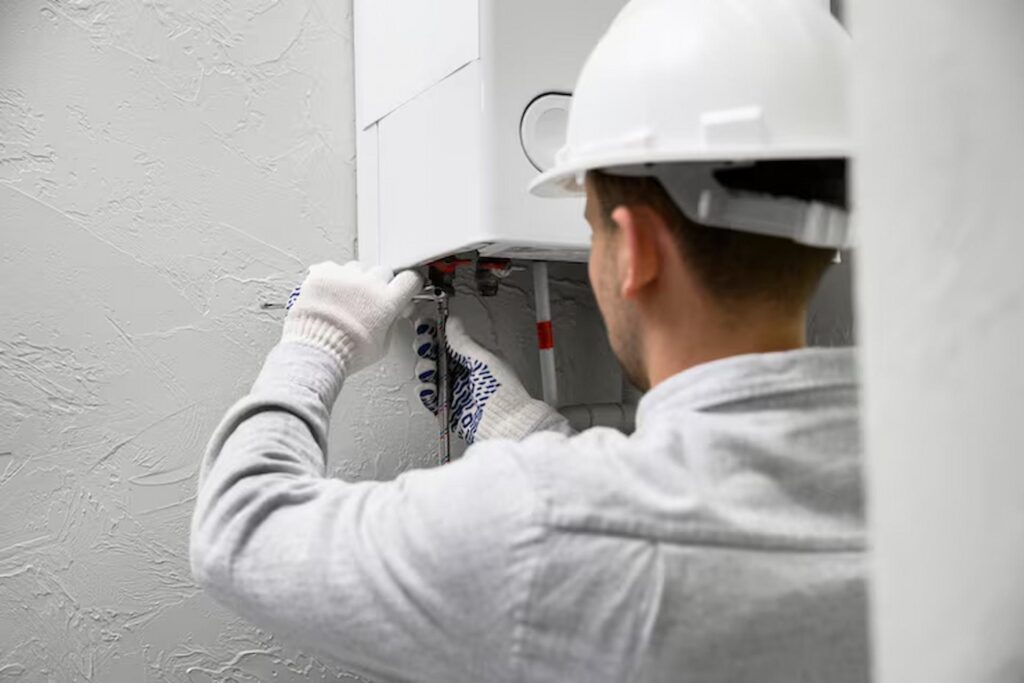
A reliable water heater is one of the most important systems in any home. From morning showers to washing dishes and laundry, it quietly supports daily comfort until problems begin to appear. Unfortunately, many homeowners ignore early warning signs, only recognising the seriousness of the issue after losing hot water completely or facing costly water damage. Understanding when a system requires professional attention can help prevent larger repairs, improve efficiency, and extend the life of the unit.
Many heating and plumbing problems develop gradually. In some cases, homeowners may already be familiar with issues such as an AC leak during warmer months, yet overlook similar warning signs coming from their water heating system. Strange noises, fluctuating temperatures, and discoloured water often indicate underlying maintenance concerns that should never be ignored. Knowing how to identify these signs early can help homeowners respond quickly before the damage becomes more severe.
Inconsistent Hot Water Supply
One of the clearest signs that a water heater requires immediate maintenance is inconsistent water temperature. If hot water suddenly turns cold during a shower or takes far longer to heat than usual, the system may be struggling internally. Homeowners experiencing repeated heating problems often begin researching which water heater may better suit their household needs and long-term energy efficiency goals.
Several issues can contribute to inconsistent heating, including sediment buildup inside the tank, worn heating elements, thermostat malfunctions, or failing gas burners. Over time, minerals from hard water collect at the bottom of the tank, reducing efficiency and making it harder for the appliance to maintain stable temperatures.
Ignoring these symptoms can place additional strain on the system and increase energy usage. Professional maintenance can identify the root cause before the problem escalates into a complete breakdown.
Unusual Noises Coming From the Tank
Water heaters are not completely silent, but loud rumbling, popping, or banging sounds are not normal. These noises are often caused by hardened sediment trapped inside the tank. As water heats beneath the buildup, steam bubbles form and create disruptive sounds.
The fourth paragraph of many maintenance discussions often focuses on visible warning signs, but internal noises are equally important because they indicate stress inside the system. Over time, excessive sediment can overheat the tank’s interior lining, reduce efficiency, and increase the risk of cracks or leaks.
Routine flushing and professional inspections help remove mineral deposits before they cause long-term damage. Homeowners who hear persistent noises should arrange maintenance quickly to avoid further deterioration.
Rust-Coloured or Cloudy Water
Discoloured hot water is another major warning sign. If water appears rusty, cloudy, or contains metallic particles, corrosion may already be developing inside the tank or connected pipes.
Rust inside a water heater often indicates that the protective anode rod has deteriorated. This component is designed to attract corrosive minerals and prevent damage to the tank itself. Once it wears out, rust can begin attacking the inner lining of the unit.
Cloudy water may also suggest sediment contamination or bacterial growth within the system. In either case, the issue should be inspected promptly by a qualified professional. Delaying repairs could eventually lead to leaks, water contamination concerns, or complete tank failure.
Water Leaks Around the Unit
Even small amounts of moisture around a water heater should never be ignored. Water pooling near the base of the unit can indicate loose valves, damaged connections, internal corrosion, or pressure-related issues.
Minor leaks may appear harmless initially, but they can quickly lead to structural damage, mould growth, and increased utility costs. In some cases, leaking water heaters create hidden moisture behind walls or beneath flooring before homeowners realise the extent of the problem.
If the tank itself is leaking, replacement may eventually become necessary. Homeowners researching long-term replacement options often begin comparing which type of water heater best suits their household size, energy goals, and hot water demands. Choosing the right system becomes far easier when issues are identified before an emergency occurs.
Reduced Water Pressure
Low hot water pressure can signal serious buildup within the water heater or connected plumbing lines. Mineral deposits may restrict water flow inside the tank or narrow internal pipes over time.
Reduced pressure not only affects comfort but also indicates declining system efficiency. Appliances that rely on hot water, such as dishwashers and washing machines, may also perform poorly when pressure problems develop.
Professional maintenance can determine whether flushing, component replacement, or pipe cleaning is necessary. Addressing pressure issues early helps protect both the water heater and the wider plumbing system.
Rising Energy Bills Without Explanation
A sudden increase in energy costs is often linked to inefficient heating equipment. As water heaters age or develop internal problems, they must work harder and run longer to maintain the same temperature.
Sediment buildup, worn components, and failing thermostats all contribute to higher energy consumption. Unfortunately, homeowners may not immediately connect rising utility bills to their water heater.
Routine servicing improves efficiency, reduces operating strain, and helps identify problems before they become expensive. Maintaining the system properly can also extend its lifespan significantly.
Strange Odours From Hot Water
Hot water that smells unpleasant should always be investigated. A sulphur-like or rotten egg smell often results from bacteria reacting with minerals inside the tank, particularly in homes using well water.
In some situations, the odour may be linked to deteriorating components or stagnant water caused by infrequent usage. While flushing the system may help temporarily, recurring smells usually require professional treatment.
Ignoring unusual odours can lead to worsening water quality issues and reduced comfort throughout the home.
Why Preventative Maintenance Matters
Water heaters are often overlooked until they stop working entirely. However, routine maintenance plays a critical role in protecting efficiency, safety, and long-term performance.
Professional servicing typically includes inspecting valves, testing thermostats, checking pressure levels, flushing sediment, and evaluating overall system condition. These inspections allow technicians to identify minor issues before they become costly emergencies.
Preventative maintenance also supports better energy efficiency, cleaner water quality, and more reliable hot water availability throughout the year.
Conclusion
Recognising the early warning signs of water heater problems can save homeowners from unexpected breakdowns, expensive repairs, and water damage. Issues such as inconsistent heating, unusual noises, discoloured water, leaks, and rising utility costs should never be ignored. While some symptoms may seem minor initially, they often indicate deeper mechanical or structural problems developing inside the system. Prompt maintenance helps restore efficiency, improve reliability, and prevent small concerns from becoming major emergencies. Regular professional inspections also extend the lifespan of the unit while supporting safer operation and consistent performance. Whether maintaining an existing system or considering future upgrades, proactive attention remains the most effective way to protect household comfort, energy efficiency, and long-term plumbing reliability.
FAQs
How often should a water heater be professionally serviced?
Most water heaters benefit from professional maintenance at least once a year. Annual inspections help remove sediment buildup, test safety components, and identify early signs of wear before larger problems develop.
What causes popping sounds inside a water heater?
Popping noises are usually caused by hardened sediment at the bottom of the tank. As water heats beneath the buildup, trapped steam bubbles create rumbling or popping sounds.
Is rusty hot water always caused by the water heater?
Not always. Rusty water may come from corroded plumbing pipes, but if the discolouration only appears when using hot water, the water heater is often the likely source.
Can a leaking water heater be repaired?
It depends on the cause of the leak. Loose valves or damaged fittings may be repairable, but internal tank corrosion often requires full replacement.
Why does my hot water smell unpleasant?
A rotten egg smell commonly results from bacteria reacting with minerals inside the tank. This issue often develops in systems using well water or units left unused for extended periods.
How long does a typical water heater last?
Most traditional tank water heaters last between 8 and 12 years with proper maintenance. Tankless systems may last longer when serviced regularly.