


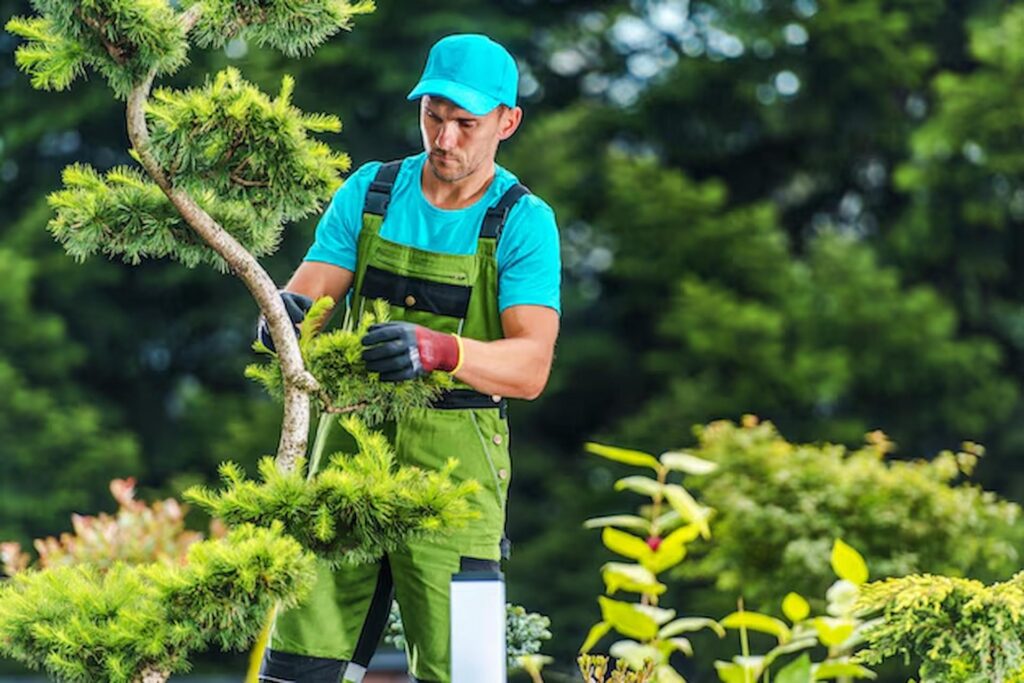
Trees are valuable assets in gardens, streets, and public spaces. They add beauty, shade, and environmental value. However, trees can also pose risks if they are not cared for properly. Weak branches, disease, or poor growth can lead to safety concerns. This is where professional tree surgeons play a vital role. Their work focuses on keeping trees healthy while reducing risks to people and property.
Tree care is not just about cutting branches. It is about understanding how trees grow and how problems develop over time. With the right approach, risks can be managed without harming the tree’s long-term health.
Understanding the Balance Between Care and Safety
Tree surgeons work with a clear balance in mind. They aim to protect the tree while also keeping surroundings safe. Every tree is different. Age, species, location, and condition all matter. A tree near a road or home needs more careful attention than one in open land.
In residential areas, Tree Surgeons Upminster often deal with trees growing close to houses, fences, and power lines. This makes safety planning essential. Before any work begins, the tree is assessed for visible damage, weak limbs, or signs of stress. This careful planning helps avoid unnecessary cutting and reduces future hazards.
By taking a thoughtful approach, risks are controlled without damaging the tree’s natural structure or growth pattern.
Inspecting Trees to Identify Early Problems
Regular inspection is one of the most important steps in tree care. Problems often start small. If ignored, they can become dangerous. Tree surgeons look for signs such as cracks in branches, leaning trunks, or changes in leaf colour.
In areas like Upminster, Tree Surgeons Upminster often inspect trees affected by storms, compacted soil, or nearby construction. These conditions can weaken roots and reduce stability. Early checks help identify these risks before they turn into serious safety issues.
Key points assessed during inspection include:
- Branch strength and shape
- Trunk condition and stability
- Root health and soil condition
- Signs of pests or decay
These checks guide decisions and help ensure the tree stays strong and safe.
Pruning Methods That Support Healthy Growth
Pruning is not about removing as much as possible. It is about removing what is necessary. When done correctly, pruning improves airflow, light access, and overall balance. This reduces the chance of branches snapping during high winds.
Poor pruning can harm a tree. It can leave large wounds that struggle to heal. Skilled tree surgeons make clean cuts in the right places. This helps the tree recover quickly and continue growing well.
Pruning also helps manage risk by:
- Removing dead or weak branches
- Reducing weight on overextended limbs
- Improving visibility near roads and paths
The goal is always to strengthen the tree, not weaken it.
Managing Disease Without Causing Harm
Tree disease can affect strength and appearance. Some diseases spread quickly if not handled carefully. Tree surgeons look for signs such as unusual leaf loss, discolouration, or soft wood.
Instead of removing the whole tree immediately, professionals often take a controlled approach. Affected areas may be removed while healthy parts are preserved. This limits the spread and gives the tree a chance to recover.
Managing disease early reduces the risk of falling branches and avoids the need for full removal later. It also protects nearby trees from infection.
Protecting Roots and Ground Stability
Roots are often overlooked, yet they are vital for safety. Damaged or compacted soil can weaken roots and reduce a tree’s ability to stand firm. Tree surgeons take care to protect root zones during work.
They may recommend soil improvement, better drainage, or reduced foot traffic around the base. These steps support healthy root growth and lower the risk of the tree becoming unstable.
Strong roots mean a safer tree and a longer lifespan.
Safe Tree Removal When Necessary
Sometimes, removal is the safest option. This may happen when a tree is beyond recovery or poses a clear danger. Even then, care and planning are essential.
Tree surgeons plan each step to avoid damage to nearby structures. Sections are removed carefully, rather than cutting the tree down in one piece. This controlled method protects people, property, and surrounding plants.
Although removal is a last resort, it is sometimes the best way to manage risk responsibly.
Ongoing Maintenance for Long-Term Safety
Tree care is not a one-time task. Ongoing maintenance keeps risks low and health high. Regular inspections and light pruning prevent sudden problems.
Benefits of ongoing care include:
- Fewer emergency call-outs
- Healthier, longer-living trees
- Reduced risk during storms
- Better appearance and structure
With consistent attention, trees remain safe and strong year after year.
Conclusion
Tree surgeons play a crucial role in protecting both trees and the spaces around them. Their work combines knowledge, care, and responsibility. By inspecting trees carefully, pruning with purpose, and managing disease early, they reduce risks without harming natural growth.
Healthy trees are safer trees. With the right care and regular attention, they continue to add value and beauty while remaining secure for everyone around them.