Boilers play a vital role in keeping homes warm and comfortable during colder months. When working properly, they deliver steady heat and reliable hot water. However, problems can develop slowly and remain unnoticed until a breakdown occurs. Understanding the warning signs your boiler needs an inspection helps homeowners act early and avoid costly repairs. A professional boiler inspection protects both safety and system performance.
A boiler inspection is a detailed evaluation performed by a trained technician. The goal is to ensure the unit operates safely and efficiently. Regular inspections help prevent sudden failures and reduce the risk of dangerous hazards. Responsible home maintenance includes scheduled boiler checks, especially to keep manufacturer warranties valid and systems running at peak performance.
Why Boiler Inspections Matter for Home Safety and Efficiency
Boilers contain mechanical, electrical, and fuel components that require proper balance. Over time, wear and buildup can reduce efficiency or create safety concerns. Without inspection, small issues can grow into major system failures.
Professional inspections help detect leaks, corrosion, and failing parts before they escalate. They also verify that safety devices function correctly. Regular boiler evaluations improve reliability and lower long-term operating costs. Preventive care remains far less expensive than emergency replacement.
What Happens During a Professional Boiler Inspection
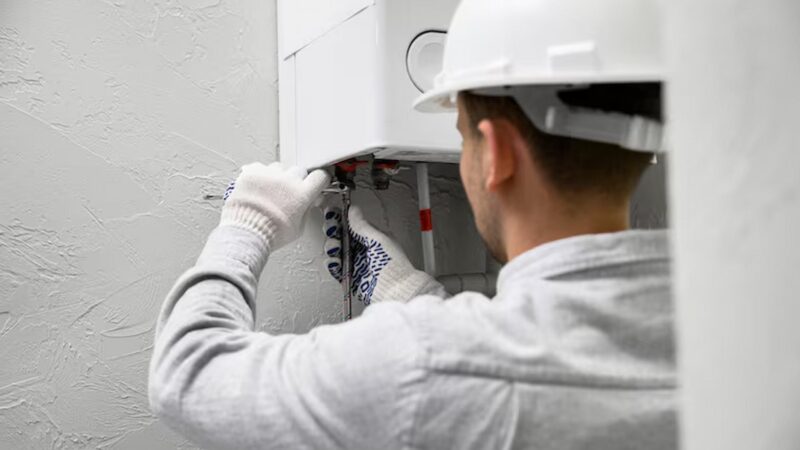
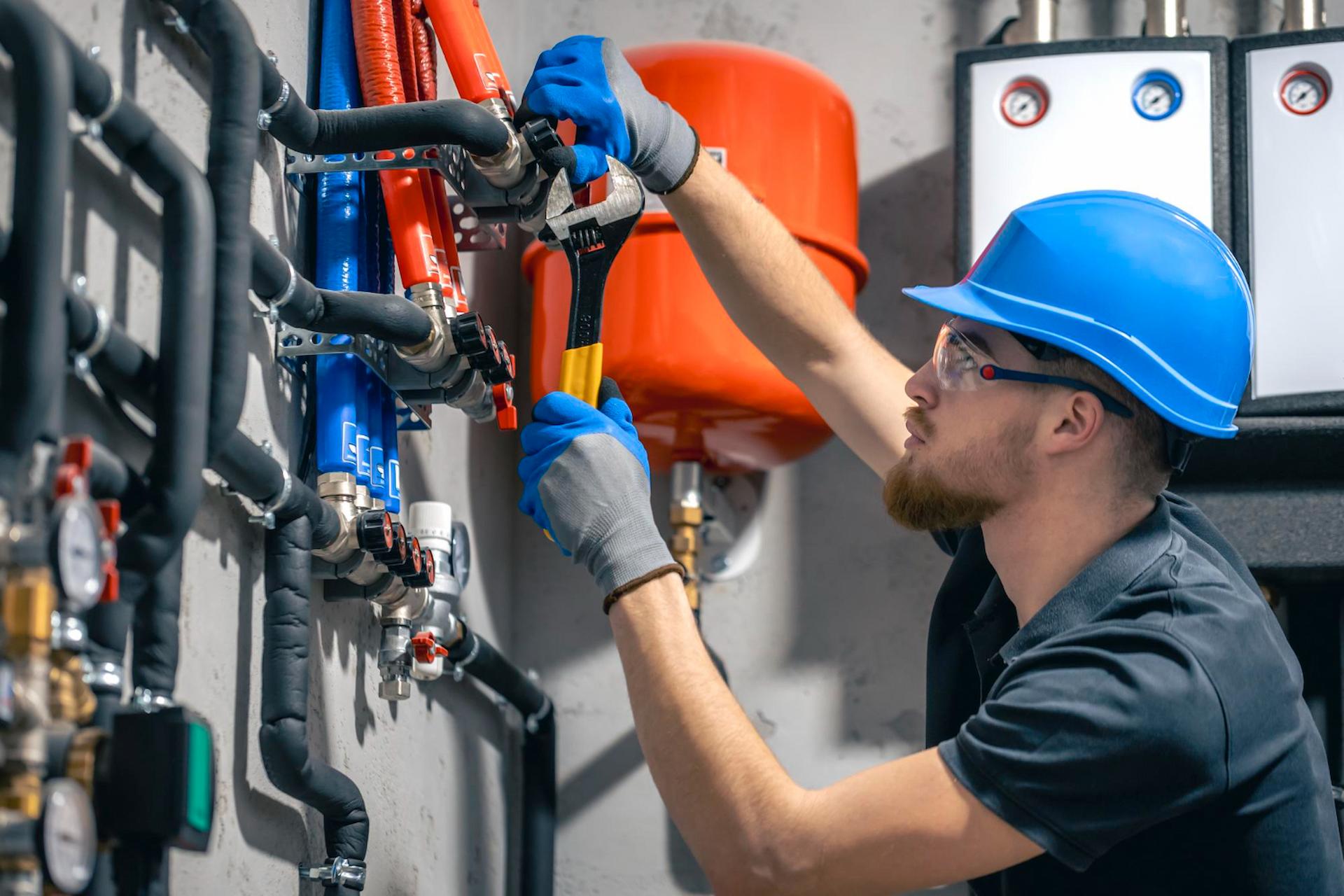
A qualified technician performs a comprehensive review of your boiler system. Internal components such as burners, heat exchangers, and circulation pumps are carefully checked. Pressure levels and safety controls are tested to confirm proper operation.
Technicians often clean internal parts to remove debris and buildup. They inspect for leaks and verify seals are intact. Carbon monoxide testing ensures there are no dangerous levels of carbon monoxide. Companies like Covenant Heating and Cooling provide scheduled maintenance plans that include detailed boiler evaluations and system performance checks.
The Warning Signs Your Boiler Needs an Inspection
Recognizing the warning signs your boiler needs an inspection allows homeowners to address problems early. Certain symptoms should never be ignored. Acting quickly prevents system damage and safety risks.
Strange or Unusual Noises
Boilers should operate quietly under normal conditions. Banging, clunking, whistling, or gurgling noises suggest trapped air, limescale buildup, or pump problems. These sounds often indicate internal stress. Early inspection helps prevent mechanical damage.
Inconsistent Heating or Hot Water
If rooms heat unevenly or water temperature fluctuates, the boiler may struggle to maintain output. These issues often result from worn components or pressure imbalance. Professional inspection restores consistent performance.
Frequent Cycling or Unexpected Shutdowns
Boilers that turn on and off repeatedly may have thermostat faults or internal pressure issues. This short cycling reduces efficiency and increases wear. Timely inspection identifies the root cause before damage worsens.
Leaks or Water Around the Unit
Water pooling near the boiler indicates valve, seal, or pressure problems. Even minor leaks can cause corrosion or system failure. Immediate inspection prevents structural damage and further mechanical issues.
Foul or Strange Odors
Unusual smells near the boiler require urgent attention. While some odors result from dust burning off, others may indicate fuel leaks or safety concerns. Professional evaluation ensures safe operation.
Pressure Fluctuations
Sudden pressure drops or irregular gauge readings signal internal malfunction. Boilers rely on stable pressure for proper heating. Inspection helps correct underlying issues and restore efficiency.
Recommended Boiler Inspection Frequency
Most professionals recommend annual boiler inspections. Yearly checks ensure safe operation before heavy winter use. Regular inspections maintain efficiency and reduce energy waste.
Annual maintenance also helps protect manufacturer warranties. Many warranties require proof of professional servicing. Skipping inspections can void coverage and increase repair costs later.
Boiler Safety and Legal Considerations
Boiler systems involve fuel combustion and high temperatures. Without proper care, they can pose safety risks. Carbon monoxide leaks remain one of the most serious dangers associated with neglected systems.
While legal requirements vary by location, safety inspections are strongly advised for all homeowners. Professional inspections reduce the likelihood of hazardous situations. Protecting your family’s safety should always remain a priority.
Benefits of Hiring Qualified Technicians
Professional technicians bring expertise and specialized tools to each inspection. Certified technicians can detect subtle problems that homeowners may miss. Their training ensures repairs meet safety and efficiency standards.
Companies like Covenant Heating and Cooling provide full system evaluations during inspections. Maintenance plans often include scheduled visits, priority service, and performance checks. These services support long-term reliability and homeowner peace of mind.
Cost Savings and Efficiency Gains
Early detection of boiler issues prevents costly breakdowns. Small repairs are far more affordable than emergency replacements. Routine inspections keep systems operating at optimal efficiency.
An efficient boiler consumes less fuel, reducing monthly utility bills. Clean components and balanced pressure improve heat distribution. Investing in inspection now often saves significant expenses later.
What to Do After a Boiler Inspection
After inspection, homeowners should keep detailed records of service reports. Documentation supports warranty claims and future maintenance planning. If technicians recommend repairs, schedule them promptly.
Addressing issues early protects safety and efficiency. Delaying repairs can worsen damage and increase costs. Staying proactive ensures consistent heating performance throughout the season.
Conclusion
Boiler inspections are essential for safe, efficient home heating. Recognizing warning signs early prevents breakdowns and protects your investment. Annual professional evaluations help maintain performance, reduce energy costs, and prevent dangerous hazards. Qualified technicians provide detailed inspections that go beyond surface checks. By scheduling regular service and addressing issues promptly, homeowners ensure reliable warmth and long-term system efficiency. Responsible maintenance keeps boilers operating safely and comfortably year after year.